Healthy aging is no longer viewed as simply avoiding illness or managing decline. Today, it is increasingly understood as an active, ongoing process that combines preventive healthcare, medical innovation, lifestyle management, and wellness support. As people live longer, the focus has shifted toward maintaining mobility, cognitive function, physical appearance, hormonal balance, and overall quality of life well into later years.
Modern medical treatments now support aging in two complementary ways. First, they help preserve and restore physical function so individuals can remain active and independent. Second, they offer aesthetic and regenerative options that help people feel confident and aligned with how they want to present themselves at different life stages. Together, these approaches create a more holistic model of aging that prioritizes both health and well-being.
The following sections explore key treatments, services, and systems that support healthy aging in practical, medically grounded ways.
Refreshing Facial Appearance Through Non-Surgical Aesthetic Care
One of the earliest visible signs of aging appears in the face through fine lines, wrinkles, and changes in skin elasticity. Many individuals seek minimally invasive treatments to maintain a refreshed and natural appearance without undergoing surgery or extended recovery periods.
A widely used option is Botox, which helps temporarily relax facial muscles that contribute to expression lines. These lines often form around the forehead, eyes, and between the eyebrows due to repeated movement over time. When administered correctly, Botox can soften these wrinkles while still allowing natural facial expression, making it a popular choice for preventive aging care as well as corrective treatment.
To achieve the best outcomes, patients should focus on:
- Receiving treatment from licensed medical professionals
- Following a consistent treatment schedule rather than sporadic visits
- Combining treatments with proper skincare routines
- Using sun protection daily to prevent further damage
When integrated into a broader wellness plan, facial treatments can help individuals maintain a natural, rested appearance while supporting long-term skin health rather than simply addressing surface-level concerns.
Restoring Body Confidence Through Surgical Enhancement Options
As the body changes with age, pregnancy, or weight fluctuations, some individuals may consider surgical options to restore shape and proportion. These procedures are not solely cosmetic; for many, they also support emotional well-being and physical comfort.
A breast lift is one procedure that helps reposition and reshape breast tissue that has naturally changed over time. This can improve symmetry, posture, and overall body balance. Many individuals choose this procedure not to alter their identity, but to restore a sense of proportion that aligns with how they feel internally.
Before considering surgical enhancement, individuals should evaluate:
- Their overall health and readiness for surgery
- Realistic expectations for results and recovery
- Long-term maintenance of weight and lifestyle habits
- The importance of selecting board-certified surgical professionals
Post-surgical care is equally important. Recovery success often depends on:
- Following aftercare instructions closely
- Attending all follow-up appointments
- Avoiding strenuous activity during healing
- Maintaining stable nutrition and hydration
When approached thoughtfully, surgical enhancements can support confidence and comfort during the aging process.
Body Contouring and Metabolic Changes in Aging Adults
As metabolism slows with age, fat distribution in the body often changes in ways that are resistant to diet and exercise alone. For some individuals, targeted medical procedures can help address these changes and improve body composition.
One commonly used method is liposuction, which removes localized fat deposits that do not respond to traditional weight-loss strategies. While not a substitute for healthy habits, it can help refine body shape and improve proportional balance.
Important considerations before undergoing such procedures include:
- Understanding that results depend on maintaining a stable weight afterward
- Recognizing that skin elasticity affects final outcomes
- Evaluating whether lifestyle adjustments are in place for long-term success
- Consulting with qualified medical professionals for a personalized assessment
Recovery also plays a significant role in results. Patients are typically advised to:
- Wear compression garments as recommended
- Limit physical activity during initial healing phases
- Attend follow-up evaluations to monitor progress
- Maintain a consistent exercise routine once cleared
When combined with healthy aging habits, body contouring procedures can support both physical and psychological well-being.
Integrated Wellness Environments for Comprehensive Aging Support
Modern healthcare is increasingly moving toward integrated care environments where patients can access multiple services in one location. This approach is particularly valuable for individuals seeking ongoing support for aging-related concerns.
A local medical spa often provides a combination of aesthetic treatments, preventive skin care, and wellness therapies under medical supervision. These environments bridge the gap between traditional clinical care and wellness-focused services, offering a more holistic approach to aging support.
Benefits of integrated wellness environments include:
- Coordinated treatment plans across multiple services
- Consistent monitoring of progress over time
- Access to both preventive and corrective care options
- Personalized treatment adjustments based on patient response
To get the most from these environments, individuals should:
- Develop long-term wellness plans rather than one-time treatments
- Communicate openly about goals and concerns
- Schedule regular assessments for treatment effectiveness
- Combine aesthetic care with lifestyle improvements
This integrated approach helps ensure that aging support is continuous rather than reactive.
Hormonal Balance and Its Role in Energy and Vitality
Hormonal changes are one of the most significant biological shifts that occur with aging. These changes can affect energy levels, sleep quality, mood stability, metabolism, and cognitive clarity.
In some cases, hormone replacement is used under medical supervision to restore hormonal balance and improve quality of life. This type of treatment requires careful evaluation and ongoing monitoring to ensure safety and effectiveness.
Key steps in managing hormonal health include:
- Comprehensive lab testing to assess hormone levels
- Individualized treatment planning based on symptoms and health history
- Regular monitoring to adjust dosage and prevent side effects
- Integration with lifestyle factors such as diet and exercise
Supporting hormonal balance also involves natural strategies such as:
- Maintaining consistent sleep schedules
- Reducing chronic stress
- Engaging in regular physical activity
- Eating nutrient-rich, balanced meals
When managed responsibly, hormonal care can play a significant role in maintaining vitality and mental clarity during aging.
Subtle Facial Rejuvenation Through Injectable Treatments
In addition to muscle-relaxing treatments, volume restoration is another key aspect of facial aging care. Over time, the face naturally loses fat and collagen, which can lead to a hollow or tired appearance.
Injectables are commonly used to restore volume, enhance facial contours, and improve symmetry. These treatments are typically customized based on individual facial structure and aging patterns.
Important considerations for injectable treatments include:
- Choosing qualified, medically trained providers
- Avoiding overuse to maintain a natural appearance
- Understanding product longevity and maintenance needs
- Combining treatments with skincare for the best results
Best practices for natural outcomes include:
- Gradual enhancements rather than dramatic changes
- Regular follow-up appointments for adjustments
- Personalized treatment planning based on facial anatomy
- Avoiding excessive correction in a single session
When used appropriately, injectables can support subtle rejuvenation that enhances rather than alters natural appearance.
Supporting Medical Training for Safer Surgical Environments
Behind every successful surgical or clinical procedure is a highly trained support team responsible for maintaining safety, precision, and efficiency. Education and structured training play a critical role in ensuring high-quality patient care.
A surgical technologist program prepares individuals to assist in operating rooms by teaching sterile technique, instrument handling, and procedural support. These professionals are essential members of surgical teams and contribute directly to patient safety and procedural success.
Core components of training typically include:
- Anatomy and physiology fundamentals
- Sterilization and infection control procedures
- Operating room protocols and safety standards
- Hands-on clinical experience in surgical settings
Career development in this field emphasizes:
- Attention to detail in high-pressure environments
- Strong communication skills within surgical teams
- Continuous education and certification renewal
- Ability to adapt to different surgical specialties
This type of training ensures that healthcare systems remain safe, efficient, and capable of supporting complex medical procedures.
Ensuring Safety and Efficiency Through Medical Equipment Standards
Medical procedures require highly controlled environments where equipment reliability and sterility are essential. Proper preparation and resource management directly impact patient outcomes.
High-quality surgery supplies are critical for maintaining safety during procedures. These supplies include sterilized instruments, protective equipment, and specialized tools designed for precision and hygiene.
Key principles for managing surgical supplies include:
- Maintaining strict sterilization protocols
- Organizing instruments for efficient access during procedures
- Monitoring inventory to prevent shortages
- Ensuring compliance with medical regulations
Best practices also involve:
- Regular inspection of equipment for wear or damage
- Proper storage to maintain sterility
- Training staff on correct handling procedures
- Updating supplies based on technological advancements
Efficient supply management reduces procedural risks and supports smoother surgical workflows.
Maintaining Mobility and Joint Health With Specialized Care
Physical mobility is one of the most important factors in maintaining independence during aging. Joint health directly affects the ability to perform daily activities, exercise, and maintain overall quality of life.
An orthopedic surgeon specializes in diagnosing and treating conditions affecting bones, joints, ligaments, and muscles. These specialists play a key role in both surgical and non-surgical treatment of mobility-related issues.
Common treatment approaches include:
- Physical therapy and rehabilitation programs
- Joint injections for pain management
- Minimally invasive surgical procedures
- Preventative care strategies to slow degeneration
Patients are encouraged to:
- Seek early evaluation for joint pain or stiffness
- Maintain consistent physical activity to support joint function
- Follow rehabilitation plans carefully after treatment
- Use assistive devices when necessary for stability
Early intervention often leads to better long-term outcomes and improved mobility.
Coordinated Care Through Specialized Musculoskeletal Clinics
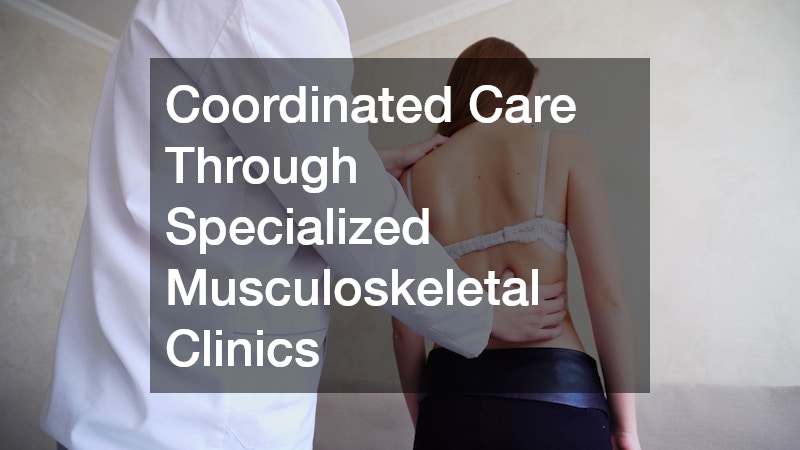
Comprehensive joint and mobility care often requires a team-based approach that includes diagnostics, treatment, and rehabilitation. This is because musculoskeletal conditions rarely exist in isolation. A single issue—such as knee pain or shoulder stiffness—can involve multiple contributing factors, including bone alignment, muscle strength, inflammation, past injuries, and even lifestyle habits. When care is fragmented, patients may receive partial solutions that fail to address the root cause, leading to recurring symptoms or incomplete recovery. Coordinated care environments help streamline this process by ensuring all aspects of diagnosis and treatment are aligned from the beginning.
An orthopedic clinic provides access to specialists, imaging services, physical therapy, and treatment planning in one location. This structure significantly reduces delays that often occur when patients are referred between separate facilities. For example, instead of scheduling imaging at one site, waiting for results, and then booking a separate consultation, patients can often move through the evaluation process more efficiently. This integrated setup also improves communication between providers, since specialists can review imaging, discuss findings in real time, and adjust treatment plans collaboratively. As a result, patients experience more consistent guidance and fewer gaps in care that can slow down recovery.
Key advantages include improved speed and accuracy in diagnosis, largely due to on-site imaging and testing capabilities. When X-rays, MRIs, or other diagnostic tools are available within the same facility, specialists can quickly identify the underlying cause of pain or dysfunction. This reduces uncertainty and allows treatment to begin sooner, which is especially important in conditions where early intervention can prevent further deterioration.
Coordinated treatment planning across specialists is another major benefit. Instead of relying on separate opinions that may not be fully aligned, patients receive a unified plan that takes into account surgical needs, physical therapy goals, and long-term mobility outcomes. This collaboration helps avoid conflicting recommendations and ensures that each stage of treatment supports the next, whether the approach is surgical or non-surgical.
Access to rehabilitation and recovery services within the same system further strengthens outcomes. Physical therapy is often a critical part of recovery, helping patients rebuild strength, restore range of motion, and prevent re-injury. When rehabilitation providers are part of the same care network, they can easily communicate with physicians and adjust therapy plans based on surgical progress or healing milestones. This creates a more responsive and adaptive recovery process.
Continuous monitoring of progress and healing is also essential in long-term mobility care. Regular follow-ups allow providers to track improvement, identify setbacks early, and make necessary adjustments to treatment plans. This ongoing oversight helps ensure that recovery stays on track and that patients do not unknowingly return to activities too soon or delay important interventions.
Conclusion
Healthy aging is a multifaceted process that involves medical care, wellness services, and proactive lifestyle choices. From aesthetic treatments and hormonal support to mobility care and surgical advancements, modern healthcare provides a wide range of tools that help individuals maintain both physical function and personal confidence as they age.
When these services are used responsibly and under professional guidance, they can significantly enhance the quality of life, independence, and long-term well-being. The key to successful aging lies in early intervention, consistent care, and a balanced approach that supports both internal health and external vitality.