
Most people think of health as something that happens in a doctor’s office a few times a year. In reality, the choices that shape how you feel are made in small moments: what you drink when you wake up, how you sit at your desk, how you talk to yourself after a rough meeting, and when you finally turn off your screen at night. Holistic care is the practice of paying attention to all of those moments together, treating your body, mind, habits, and environment as one connected system rather than a list of separate problems.
The good news is that you do not need a total life overhaul to practice it. You need a handful of small, repeatable actions placed at the right points in your day, plus a clear sense of when to ask professionals for help. This guide walks through a full day, from the first glass of water to the last lamp switched off, with specific steps you can start using this week.
Build a Morning That Sets the Tone

The first hour after waking influences your energy, mood, and focus for the rest of the day. You do not need an elaborate ritual. You need a short sequence that you can repeat even on your worst mornings.
Hydrate and Get Natural Light Within Thirty Minutes
After several hours without fluids, your body is mildly dehydrated, which can contribute to sluggishness and headaches. Keep a full glass or bottle of water by your bed and drink it before you reach for coffee. Then get outside or stand near a bright window for five to ten minutes. Morning light helps anchor your internal clock, which makes it easier to feel alert during the day and sleepy at night.
- Fill a water bottle the night before so there is no friction in the morning.
- Take your first few minutes of daylight on a porch, balcony, or short walk around the block.
- Delay checking email or social media until after your water and light.
Turn Oral Care Into a Full Health Check
Your mouth is closely tied to your overall well-being, and brushing and flossing are among the few health habits you perform twice every day. Use them as a built-in checkpoint. Brush for a full two minutes with a soft-bristled brush, floss before you brush so fluoride reaches between your teeth, and glance at your gums and tongue for changes in color, swelling, or sore spots.
Regular visits matter just as much as home habits. A trusted local family dentist can track changes over time, catch small cavities before they grow, and tailor advice to every age in your household. Many people also explore teeth whitening once their basic routine is steady, and a professional can tell you which approach is safe for your enamel and any sensitivity you already have.
Move Gently Before You Move Fast
You do not need a one-hour workout at dawn. Five to ten minutes of gentle movement warms up your joints and wakes up your circulation.
- Roll your shoulders and neck slowly, five times in each direction.
- Do a few cat-cow stretches or a short forward fold to loosen your spine.
- Finish with ten slow squats or a brisk two-minute walk around the house.
Protect Your Body Through the Workday

Whether you work at a desk, on your feet, or behind a wheel, the hours between breakfast and dinner are where posture, circulation, and nutrition quietly make or break how you feel.
Break Up Long Stretches of Sitting
Sitting for hours at a time slows blood flow in your legs and stiffens your hips and back. Set a timer to stand up every 45 to 60 minutes. Even a two-minute break helps. Walk to refill your water, stretch your calves against a wall, or take phone calls on your feet.
If you notice swelling in your ankles, heaviness in your legs, visible bulging veins, or cramping that does not ease with movement, do not just push through it. Vascular clinics can evaluate circulation problems and recommend options ranging from compression and activity changes to procedures when needed. Paying attention early is usually easier than waiting until discomfort becomes constant.
- Alternate between sitting and standing if your workspace allows it.
- Do ankle circles and heel raises under your desk during calls.
- Avoid crossing your legs for long periods.
Adjust Your Workspace to Prevent Pain
Small ergonomic changes can prevent a surprising amount of tension. Place your screen at eye level so your neck stays neutral, keep your elbows near a 90-degree angle, and make sure your feet rest flat on the floor or on a footrest. Reduce glare by angling your monitor away from windows, and follow the 20-20-20 rule: every 20 minutes, look at something 20 feet away for 20 seconds.
Frequent tension headaches and eye strain are common results of poor setup, but recurring severe head pain deserves more than a better chair. If you get throbbing pain, sensitivity to light, or nausea on a regular basis, keep a simple log of when it strikes, what you ate, how you slept, and your stress level. Bring that record to a clinician who can discuss migraine treatment options that fit your pattern, rather than relying on guesswork or overusing over-the-counter pills.
Eat in a Way That Steadies Your Energy
Big swings in blood sugar can leave you foggy, irritable, and craving snacks by mid-afternoon. Build meals around protein, fiber, and healthy fats, and add color from vegetables or fruit at every sitting.
- Pair carbohydrates with protein, such as apple slices with peanut butter or whole-grain toast with eggs.
- Keep a prepared snack, like nuts, yogurt, or hummus with carrots, within reach.
- Eat lunch away from your screen for at least ten minutes to improve digestion and give your mind a pause.
- Limit caffeine after early afternoon so it does not interfere with sleep.
Care for Your Mind Between Tasks
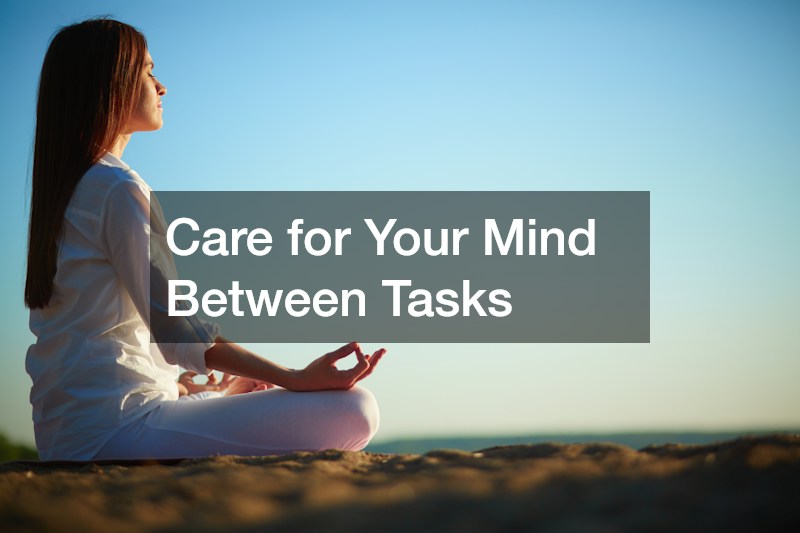
Emotional wellbeing is not a bonus feature that you tend to when everything else is finished. It affects your appetite, your sleep, your immune system, and your relationships, so it belongs inside your daily schedule.
Use Micro-Pauses to Reset Your Stress Response
You do not have to meditate for an hour to feel calmer. Brief, deliberate pauses throughout the day can lower tension before it builds into something larger. Try box breathing: inhale for four counts, hold for four, exhale for four, hold for four, and repeat for one minute. Another option is to name five things you can see, four you can touch, and three you can hear, which pulls your attention back to the present.
Treat your emotional state with the same seriousness you give a sore back. Persistent sadness, constant worry, irritability, or loss of interest in things you used to enjoy are signs that your mental health needs more support than a deep breath. Talking with a counselor, therapist, or physician is a strong and practical step, and a trusted friend or family member can help you take it.
- Schedule two or three one-minute breathing breaks into your calendar.
- Step outside for a short walk when you feel overwhelmed.
- Write down one thing that went well each afternoon.
Protect Connection and Boundaries
Social contact is a pillar of wellbeing, yet it is often the first thing to be squeezed out of a busy week. Send a quick text to a friend, eat lunch with a coworker, or call a relative during your commute if you are using a hands-free setup. At the same time, practice saying no to commitments that drain you. A boundary is not selfish; it protects the energy you need for the people and tasks that matter most.
Make Room for Professional Support

Holistic care does not mean doing everything yourself. It means knowing which problems can be handled with daily habits and which call for a professional, and having contacts ready before you need them.
Act Quickly When Something Hurts
Some symptoms should never wait. A throbbing tooth, swelling in the jaw, or sharp pain when you bite down will rarely resolve on its own, and delaying can turn a manageable fix into a complex one. Keep your dentist’s phone number saved in your contacts and ask about same-day or emergency appointments when you join a practice. If you need to get out of dental pain quickly, call right away rather than waiting it out, and in the meantime rinse with warm salt water and avoid very hot or cold foods.
- Seek urgent care for facial swelling, fever, or trouble swallowing alongside tooth pain.
- Do not place aspirin directly on the gums, since it can burn the tissue.
- Write down when the pain started and what makes it better or worse.
Ease Anxiety About Treatment
Fear of the dentist keeps many people from getting care they need. If anxiety has kept you away, ask about comfort options before booking. Sedation dentists are trained to help nervous patients relax during procedures, and a short conversation beforehand can clarify which method suits your health history and comfort level. Tell the team about your medications, allergies, and any past reactions so they can plan safely.
Build a Care Team Before a Crisis
The best time to find help is before you urgently need it. Make a simple list of the professionals and services you rely on, and keep it on your phone and on the refrigerator.
- Primary care physician and pharmacy
- Dentist and any specialists you see regularly
- A counselor or therapist, if you use one
- Emergency contacts and a list of current medications
If you or a relative is recovering from surgery, a stroke, or an injury, a rehab center can provide structured physical, occupational, or speech therapy that is hard to replicate at home. Ask your surgeon or doctor for recommendations, visit if possible, and ask how progress is measured and how families are involved.
Insurance questions are a common source of stress, so handle them proactively. If you are enrolled in coverage for older adults, your local medicare agency can help you understand benefits, deadlines, and what is covered for therapy, equipment, and follow-up visits. Bring your card and a list of your questions, and take notes during the call so you can refer back to them later.
Plan for Safety and Independence at Home
A holistic routine includes the place where you live. Your home should support your body as your needs change, whether you are managing a temporary injury, a chronic condition, or the natural changes of aging.
Do a Fifteen-Minute Home Safety Walkthrough
Pick one day each season to walk through each room and look for hazards. Falls are a leading cause of injury for older adults, and most are preventable with simple adjustments.
- Remove loose rugs or secure them with non-slip backing.
- Add bright, motion-activated lighting to hallways, bathrooms, and stairs.
- Install grab bars near the toilet and inside the shower.
- Keep frequently used items between waist and shoulder height to avoid stretching or climbing.
- Make sure there is a sturdy handrail on both sides of every staircase.
Consider Mobility Upgrades Early
Waiting until after a fall to modify your home is a common mistake. If climbing stairs has become tiring or painful, explore options while you still feel steady. Home stair lifts can allow people with knee, hip, balance, or heart concerns to keep using every floor of their house safely. Ask an occupational therapist or a reputable installer to assess your staircase, compare models, and explain installation timelines and maintenance needs.
Mobility planning is also an act of independence. Making changes on your own terms usually means more choices, less stress, and a smoother transition if your needs evolve.
Close the Day With a Calming Wind-Down
How you end the day determines how well you recover overnight. Sleep is when your body repairs tissue, consolidates memory, and regulates hormones, so it deserves just as much planning as your morning.
Create a Consistent Evening Sequence
Choose a bedtime and wake time that you can keep within an hour, even on weekends. Begin winding down 45 to 60 minutes before bed with low light and low stimulation.
- Dim overhead lights and switch to lamps in the evening.
- Put your phone on a charger across the room, or at least silence notifications.
- Keep the bedroom cool, dark, and quiet.
- Finish heavy meals and alcohol at least two to three hours before bed.
- Try gentle stretching, a warm shower, or reading a physical book.
Reflect and Prepare for Tomorrow
Spend three minutes writing down what you accomplished and the top three priorities for tomorrow. Getting tasks out of your head and onto paper reduces nighttime rumination. Lay out clothes, pack your bag, and fill your water bottle so the next morning begins smoothly. Finish by brushing and flossing, then taking a moment to notice one thing you are grateful for.
Holistic care is not a separate project that competes with your job, your family, or your free time. It is a way of arranging ordinary moments so that they work in your favor: water and daylight in the morning, movement and good posture through the afternoon, short pauses to breathe, honest check-ins about how you feel, and an evening routine that lets your body recover.
You do not have to adopt every suggestion at once. Choose one habit for the morning, one for the workday, and one for the evening, and practice them for two weeks before adding more. Pay attention to the signals your body sends, ask for help early, and keep your support network close. Over time, these small actions add up to a steadier, healthier, and more resilient life.