
Watching our parents grow older is one of the most profound and emotionally complex experiences of adulthood. For decades, these individuals have guided us through life’s uncertainties, made critical decisions for our well-being, and provided a steady foundation of support. However, over time, a natural role reversal gradually occurs. You may begin to notice subtle shifts during your weekly visits or phone calls—a slight hesitation in their walk, an increase in household clutter, or a tendency to repeat questions.
Acknowledging that your aging parents need help is never easy, and bringing up the topic can feel like a conversational minefield. Many adult children delay these essential discussions out of fear of causing offense, sparking defensiveness, or prematurely stripping their parents of their hard-earned independence. Yet, waiting until a sudden health crisis or an accidental fall forces your hand is a recipe for high-stress, reactive decision-making that can leave your family with limited, expensive options.
The secret to successfully navigating these major lifestyle milestones lies in proactive planning, open communication, and treating your parents as equal partners in shaping their future. This comprehensive guide provides a practical, step-by-step roadmap for objectively assessing your parents’ evolving needs. It covers everything from managing subtle circulatory and sensory health issues to exploring modern, highly supportive residential communities, ensuring your loved ones remain safe, vibrant, and deeply respected throughout their golden years.
Addressing Hidden Physical and Circulatory Health Challenges

Monitor Mobility Changes and Seek Specialized Lower Limb Evaluations
When evaluating an aging parent’s ability to live safely and independently, the primary focus is usually on obvious indicators such as balance, driving skills, and cognitive clarity. However, subtle internal health changes can quietly erode an older adult’s daily quality of life and mobility long before a major medical crisis occurs. One of the most frequently overlooked areas of physical decline is the vascular system, specifically the veins in the lower legs that work against gravity to pump blood back up to the heart.
As the body ages, the delicate valves within these veins can weaken, leading to chronic venous insufficiency. This condition causes blood to pool in the lower extremities, manifesting as a persistent aching feeling, heavy limbs, swollen ankles, or visible, twisted varicose veins along the calves and thighs. For many seniors, the continuous physical discomfort makes simple daily activities—such as walking down the driveway to grab the mail, standing at the kitchen counter to prepare a meal, or climbing stairs—feel incredibly exhausting.
Left completely unmanaged, poor circulation can restrict an older adult’s physical world, trapping them in a sedentary routine that accelerates muscle loss and heightens their risk of falling. If your parent frequently complains of restless legs at night or displays swelling, scheduling a targeted consultation for varicose veins treatment can provide immediate, life-changing relief. Modern, minimally invasive medical procedures can quickly close off damaged vessels, instantly restoring healthy blood flow and eliminating chronic pain. Partnering with a dedicated vascular specialist ensures your parent receives an accurate ultrasound diagnostic mapping, allowing them to regain the physical stamina and mobility required to enjoy an active, fulfilling lifestyle.
- Subtle signs of poor lower-limb circulation to watch for:
- Skin on the lower legs or ankles that appears unusually shiny, tight, or discolored.
- Sudden complaints of muscle cramping or Charley horses during brief walks.
- A strong reluctance to participate in family outings that involve moderate standing.
- Slow-healing scratches, sores, or unusual skin ulcers on the feet and ankles.
Restoring Vitality Through Auditory Health Interventions
Identify Signs of Sensory Isolation and Arrange Comprehensive Ear Exams
Just as hidden circulatory pain can restrict a senior’s physical movement, gradual sensory decline can quietly damage their emotional well-being and social connections. Age-related hearing loss is an incredibly common condition that develops so slowly over several years that many older adults do not even realize how much of the acoustic world they have lost. Instead of acknowledging the deficit, seniors often adapt by pulling away from family group conversations, turning up television volumes to uncomfortable levels, or misinterpreting spoken words.
Living with untreated hearing loss places a massive cognitive load on an aging brain. Your parent must expend a tremendous amount of mental energy simply trying to decode sounds, leaving them exhausted after basic social interactions. This sensory strain often leads to a cycle of frustration, anxiety, and depression, as seniors choose to withdraw into isolation rather than struggle to keep up with fast-moving chats at the dinner table. Furthermore, modern neurological data reveal a strong link between unmanaged hearing loss and accelerated cognitive decline, making early sensory intervention absolutely essential.
Breaking through this wall of isolation requires a supportive, health-first approach. Gently encouraging your parent to attend routine, professional hearing tests is the most effective way to demystify the problem and measure their specific auditory range. If a deficit is discovered, exploring modern hearing aid services will open up a world of highly advanced, nearly invisible technology. Today’s devices do far more than just amplify volume; they feature advanced artificial intelligence that isolates human voices in noisy rooms, stream phone audio directly via wireless connections, and feature built-in fall detection sensors to keep your loved one safe and connected.
Exploring Modern Supportive Community Structures

Research Specialized Housing Models That Balance Autonomy with Everyday Care
Even with optimized vascular care and updated sensory support, there eventually comes a time when maintaining a traditional, multi-story single-family home becomes too physically demanding or dangerous for an aging adult. Managing continuous yard work, climbing steep steps, and keeping up with endless household repairs can rapidly drain a senior’s energy reserves, leaving them with little time or strength to focus on their personal health, hobbies, and friendships.
When independent living balances tip toward vulnerability, exploring structured residential settings can open the door to a secure, vibrant chapter of life. For older adults who are mentally sharp but require consistent, daily custodial help with activities like medication management, bathing, or meal preparation, an assisted living community offers the perfect solution. These highly specialized properties shift the burden of domestic chores entirely off your parents’ shoulders, providing a supportive environment where professionally trained staff are available around the clock to ensure safety without compromising personal dignity.
Modern senior environments are designed to look and feel like vibrant residential neighborhoods rather than clinical medical facilities. Many premier organizations feature beautiful assisted living apartments that allow residents to maintain their private sanctuary, complete with personal kitchenettes, cozy living rooms, and private entries. Moving into an organized community environment transforms daily life from a cycle of isolated home maintenance chores into a dynamic experience filled with structured fitness classes, creative workshops, group excursions, and organic social connections with peers.
- Core benefits provided by modern supportive communities:
- Specialized on-site medical staff and emergency response systems are built into every room.
- Professionally prepared, nutritionally balanced dining options tailored to specific health needs.
- Complimentary scheduled transportation for medical appointments and shopping trips.
- An extensive calendar of social clubs, educational lectures, and community events.
Managing the Logistical and Medical Coordination
Standardize Preventive Screenings and Choose High-Quality Care Teams
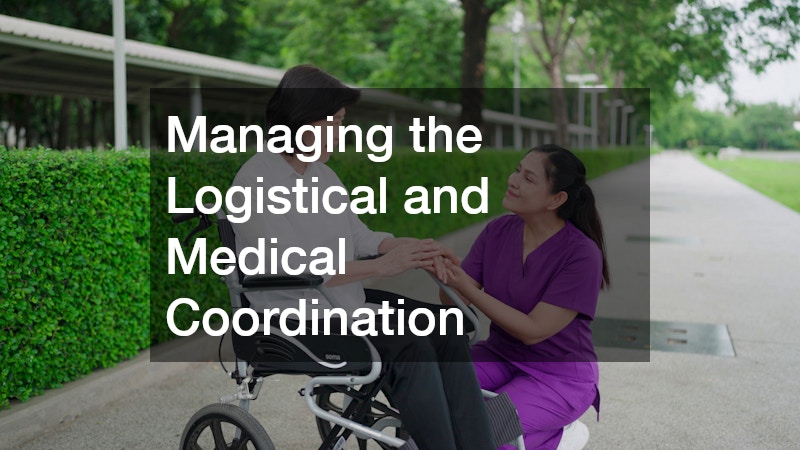
Transitioning an aging parent into a new stage of life requires ongoing management of their healthcare network. As your parents’ physical needs evolve, the sheer number of medical appointments, prescription schedules, specialist referrals, and preventative screenings can quickly become confusing for a family to track, making a centralized management strategy vital.
To prevent critical details from slipping through the cracks, take on the role of an administrative advocate for your parents. Keep a centralized digital health binder that houses up-to-date medication lists, historical surgical reports, insurance documentation, and contact information for their entire medical team. When evaluating long-term physical issues, ensure you are consulting with credentialed specialists who have deep expertise in geriatric care profiles. Seeking out a top-tier vein care clinic or a highly rated physical therapy center guarantees that your parent’s mobility treatments are tailored specifically to the unique vulnerabilities of aging tissue, speeding up recovery timelines and preventing future injuries.
Furthermore, make sure you evaluate the operational strength and safety records of any residential organization you consider. Spending time researching a prospective senior living facility allows you to verify state licensing compliance, review historic health inspection reports, and evaluate the staff-to-resident ratios on the floor. Pay close attention to how the community integrates preventive healthcare into its daily routine, such as offering on-site wellness checkups, coordinating mobile laboratory visits, and providing seamless access to visiting physical therapists. A well-run facility acts as an extension of your family’s care network, protecting your parent’s health through proactive vitality management.
- Key administrative tasks for family care coordinators:
- Create a master medical calendar to track seasonal immunizations and specialist checkups.
- Accompany your parents to major appointments to take detailed notes and clarify follow-up steps.
- Verify that all legal documents, such as healthcare proxies and power of attorney forms, are fully executed.
- Conduct regular audits of prescription pill organizers to confirm medication compliance.
Facilitating Compassionate Family Conversations
Introduce Lifestyle Changes Slowly and Honor Personal Preferences
The physical and logistical steps of managing a lifestyle transition are often straightforward compared to the emotional weight of the conversations required to put those plans into motion. For an older adult, admitting that they can no longer drive safely, manage their finances, or live alone can trigger a profound sense of grief, vulnerability, and fear of becoming a burden to their children. If you approach these discussions with an aggressive, lecturing tone, your parent will likely withdraw, making future cooperation incredibly difficult.
To build a bridge of trust, replace the phrase “you need to” with “I want to support you in.” Introduce major lifestyle choices slowly over several casual conversations rather than trying to force a major decision during a single high-stress family meeting. Always anchor your suggestions in your parents’ personal goals and daily comfort. For example, instead of focusing entirely on the dangers of their current home, highlight how moving to a beautifully designed senior living facility will eliminate the stress of cooking, cleaning, and home maintenance, freeing up their energy to spend high-quality time with their grandchildren.
Listen with deep empathy to their concerns, honor their personal history, and give them the final vote on as many operational choices as safely possible. Let them take the lead when touring different properties, choosing layout styles, or selecting the color schemes for their new living spaces. By positioning yourself as a supportive consultant rather than an authority figure, you preserve your parents’ sense of control and dignity, turning a potentially painful transition into a collaborative, empowering journey toward a more secure and vibrant lifestyle.
Transitioning and Settling into a New Home

Establish Familiar Environments and Support Social Onboarding
The final phase of helping an aging parent navigate a lifestyle transition involves the physical move itself and the subsequent adjustment period in their new home. Moving out of a family home filled with decades of sentimental belongings is an incredibly exhausting emotional process. Downsizing should be approached with sensitivity; rushing through a parent’s closets and discarding cherished mementos can cause deep emotional trauma and leave them feeling completely disoriented when they arrive at their new address.
When packing for the move, focus heavily on recreating a sense of immediate familiarity within the new space. Replicate the layout of their favorite sitting corner, hang family photographs in the exact same arrangement they are used to seeing, and bring along well-loved quilts, clocks, and pieces of furniture that carry positive emotional connections. Having their private rooms feel immediately familiar reduces the risk of relocation stress syndrome, a condition that can cause temporary confusion and anxiety in seniors settling into unfamiliar environments.
Once the physical unpacking is complete, dedicate time to supporting their social onboarding within the new community footprint. Accompany your parent to their first few communal meals in the dining room, introduce yourself to the activities directors, and help your parent scan the weekly schedule for clubs or events that align with their historical interests, such as gardening, book discussions, or card games.
Conclusion
Guiding an aging parent through vital lifestyle transitions is an incredibly profound act of love, patience, and strategic planning. By committing to address hidden circulatory and sensory health challenges early, you give your loved ones the physical stamina and confidence required to embrace new chapters of life with vitality. Whether your family’s path involves introducing modern, clear auditory devices, scheduling targeted vascular therapies, or exploring beautifully appointed community apartments, a proactive approach ensures that your parents remain safe and completely respected.